Negombo

Negombo

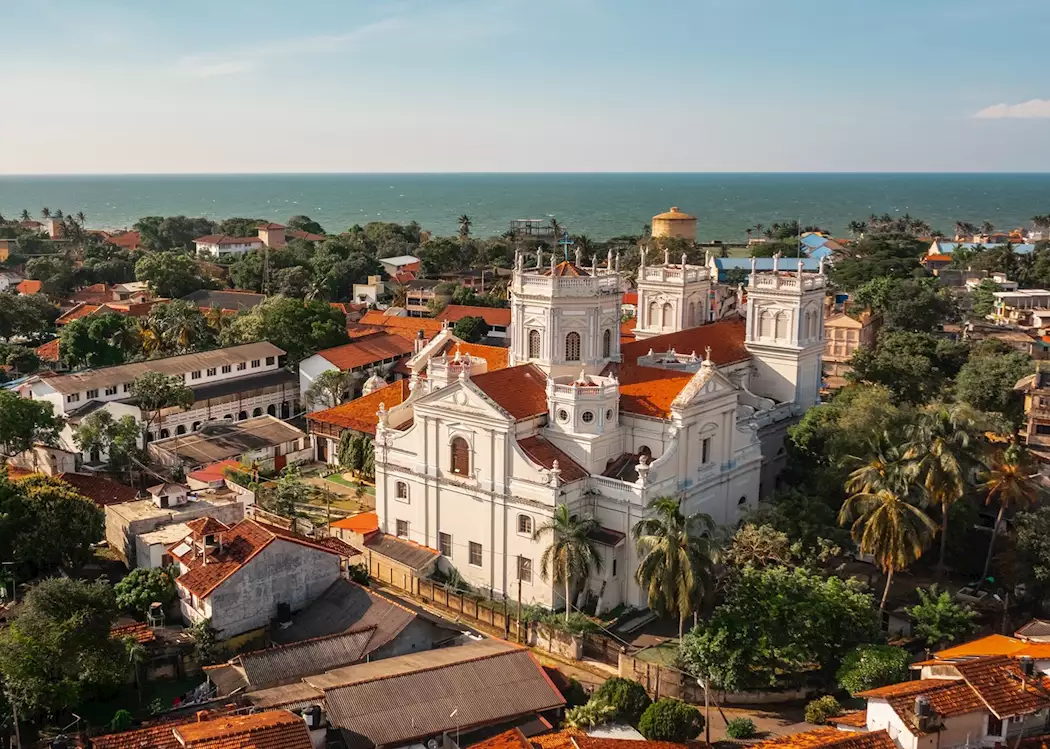
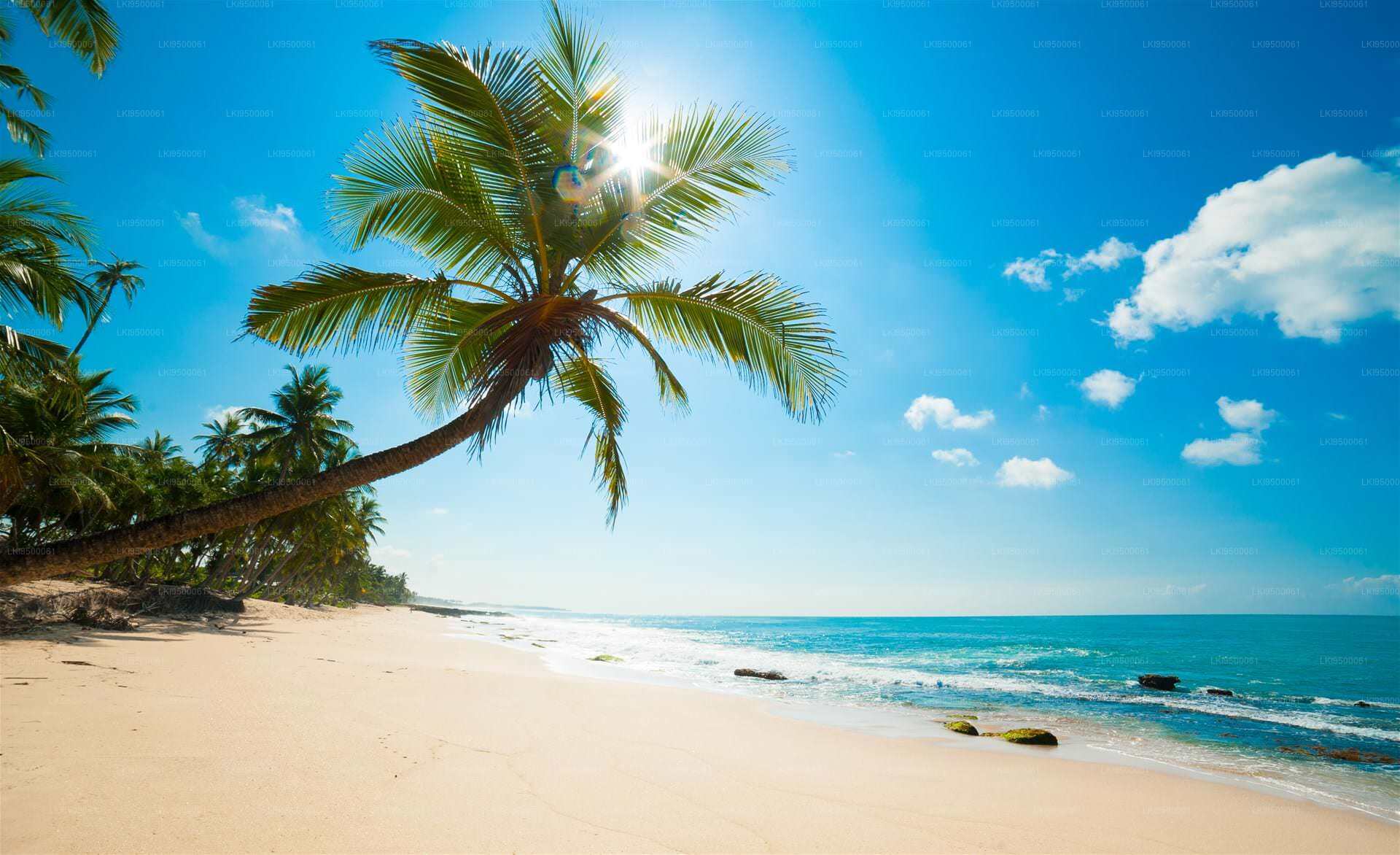
Most visitors to Sri Lanka know Negombo as the beach town closest to the international airport — but there is so much more to this fascinating city than its golden shoreline. Wander beyond the beach and you will discover a place of remarkable cultural diversity and genuine historical intrigue. The city earned its charming nickname Little Rome from its extraordinary concentration of ornate Catholic churches built during the era of Portuguese colonial rule — and they are truly magnificent. But Negombo is far from a one faith city — Buddhist temples, Hindu Kovils, and mosques all exist within the same neighbourhood streets in a wonderfully harmonious patchwork of faiths and traditions. And do not miss a boat ride along the ancient 100 kilometre Dutch Canal — one of the most unique and rewarding ways to experience the city and its surrounding waterways from a completely different perspective.

2 tours in Negombo

Filter

Price range

Min. price$0.00
Max. price$300.00

Types

Activities

Durations

Time of Day

Languages

2 tours found

Login to use

The Ultimate Ceylon Journey

The Ultimate Ceylon Journey

Duration

5-7 days

Group size

1 - 15
Showing 1-2 of 2 tours

Find & Book flights

Book your flights with Togo Airways

FAQ’s about Negombo

Have more questions? Contact us.

Where is Negombo located and how do I get there?
Negombo is a vibrant coastal city located on the West coast of Sri Lanka, approximately 35 km north of Colombo and just 7 km from Bandaranaike International Airport — making it the closest major tourist destination to the airport on the entire island. For most international visitors Negombo is the very first or very last destination of their Sri Lanka journey. By taxi or private car from the airport the journey takes just 15 to 20 minutes making it an ideal choice for a first night arrival or a final night before departure. From Colombo, Negombo is easily reached by train, bus, or private car in approximately 45 minutes to an hour depending on traffic.
Why is Negombo called Little Rome?
Negombo earned its charming and enduring nickname Little Rome during the era of Portuguese colonial rule which began in the early 16th century. The Portuguese were enthusiastic missionaries who converted a significant proportion of the local fishing community to Roman Catholicism — a faith that took deep and lasting root in Negombo and has been passed down through generations to this day. The result is a remarkable concentration of ornate and beautifully maintained Catholic churches scattered throughout the city and its surrounding villages — more churches per square kilometre than almost anywhere else in Asia. The most impressive include St Mary's Church, the Church of St Sebastian, and the stunning St Anne's Church at Talawila just north of the city which draws thousands of devoted pilgrims throughout the year.
What are the must see attractions in Negombo?
Negombo offers a rich and varied collection of attractions that go well beyond its famous beaches. The ancient Dutch Fort gate built in 1672 is a fascinating and well preserved colonial landmark that stands as a proud reminder of the city's layered history. A boat ride along the historic Dutch Canal — at 100 kilometres one of the longest colonial era waterways in Asia — offers a wonderfully unique and unhurried perspective on the city and its surrounding villages, wetlands, and waterways. The bustling Negombo Fish Market is one of the most vibrant and atmospheric early morning spectacles in Sri Lanka — a riot of colour, noise, and activity as the fishing fleet returns with its catch at dawn. The city's diverse collection of churches, temples, Kovils, and mosques are also well worth exploring at a leisurely pace.
What is the Dutch Canal and is a boat ride worth doing?
The Dutch Canal — also known as the Hamilton Canal — is a remarkable feat of colonial engineering built by the Dutch during their occupation of Sri Lanka in the 17th and 18th centuries. Stretching approximately 100 kilometres along the West coast of the island from Negombo to Colombo, the canal was originally constructed as a strategic waterway for transporting goods and troops and remains in active use by local fishing communities and transport vessels to this day. A boat ride along the canal from Negombo is an absolutely wonderful and highly recommended experience — gliding quietly through a world of mangrove lined waterways, traditional fishing villages, ancient colonial bridges, and lush tropical gardens that reveal a completely different and deeply authentic side of Sri Lanka that most visitors never get to see.
What is the best time to visit Negombo?
Negombo enjoys a tropical climate throughout the year and can be visited at any time. However the best time to visit is from November to April when the West coast enjoys its dry season with warm sunny days, calm seas, and ideal conditions for beach activities and water sports. December to February is the peak season when the weather is at its most reliably beautiful and the city is at its most lively and vibrant. The months of May to October bring the South West monsoon with heavier rainfall and rougher seas along the West coast though the cultural and historical attractions of the city remain fully accessible and enjoyable throughout the wetter months.
Is Negombo worth visiting for more than one night?
Absolutely — while many visitors spend only a single night in Negombo before or after their flight, the city genuinely rewards a longer stay of two to three days for those who take the time to look beyond the beach. The combination of fascinating colonial history, remarkable religious diversity, a vibrant local fishing culture, excellent seafood restaurants, and the wonderful Dutch Canal boat experience makes Negombo a destination of genuine depth and character. The city also makes an excellent base for day trips to the magnificent Muthurajawela wetland reserve — one of the largest mangrove ecosystems in Sri Lanka and a paradise for birdwatchers — as well as the stunning Wilpattu National Park just a couple of hours drive to the north.